

Gutters, fascia and the edge of your roof
The eave is where most rot starts and where most contractors stop looking. Here is how the edge is supposed to work.
Four parts have to work together, and they usually fail as a group
The bottom edge of a roof is a small assembly doing a hard job: taking every gallon that lands on the roof and moving it away from the house without touching the timber.
| Part | Its job |
|---|---|
| Drip edge | Metal that carries water off the deck and into the gutter rather than behind it. Installed at the eave under the underlayment, and at the rake over it. |
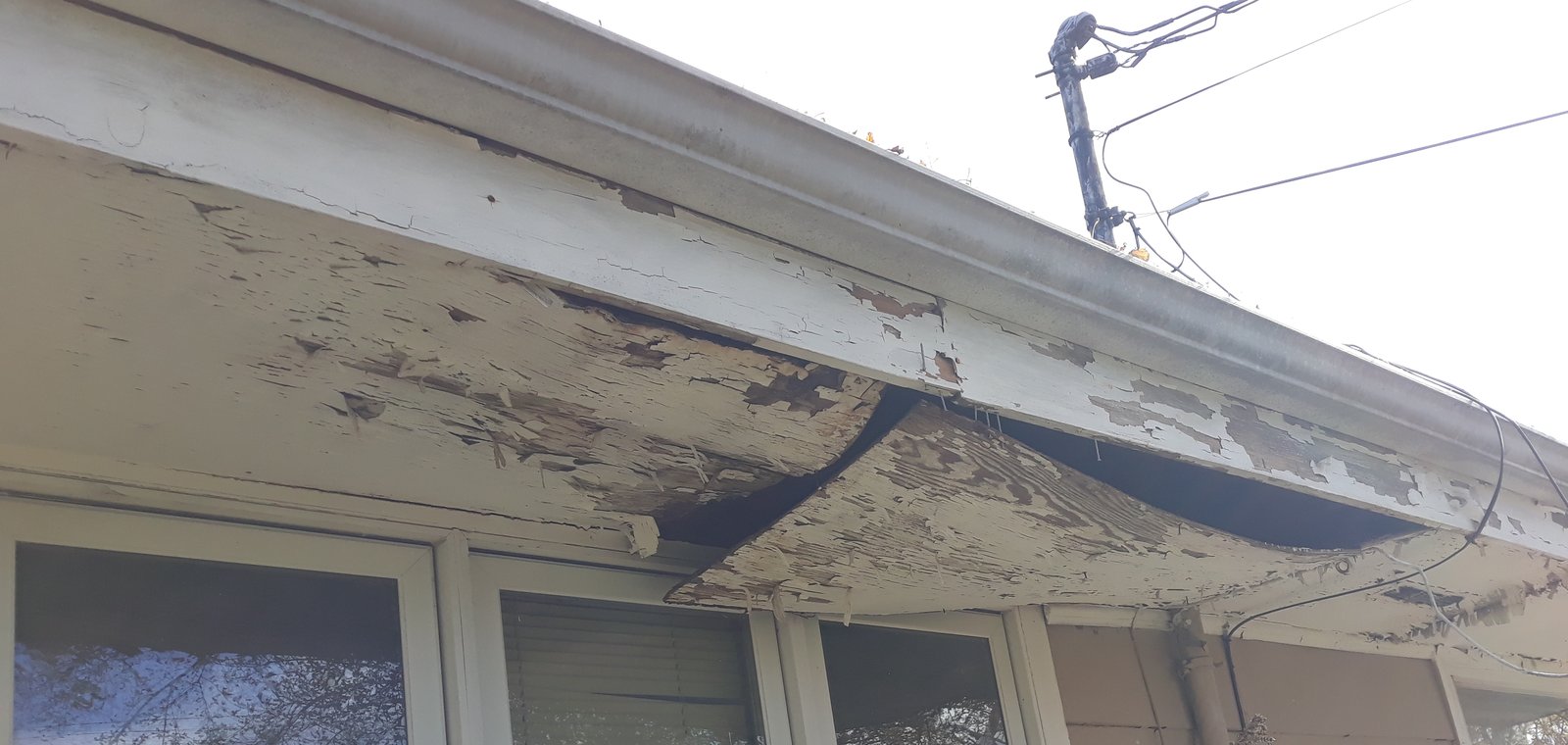
| Fascia | The board the gutter hangs on. If it is soft, the gutter is hanging on nothing, and no gutter installation will hold. |
| Gutter | Sized and pitched to move water to the downspouts without overtopping in a hard rain. |
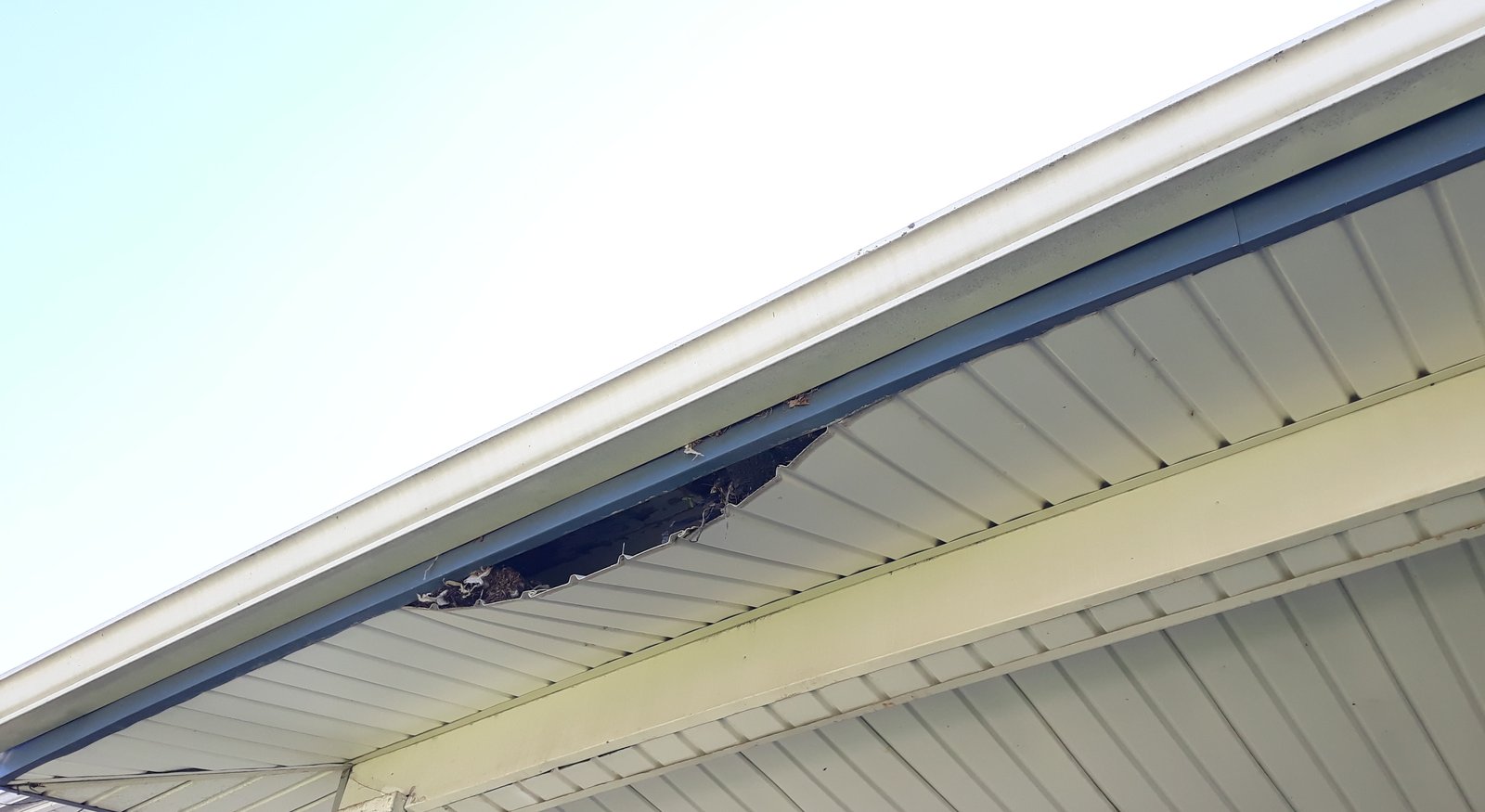
| Soffit | The underside of the overhang. On most homes this is also the intake vent for the entire attic, which is why blocking it causes problems on the roof above. |
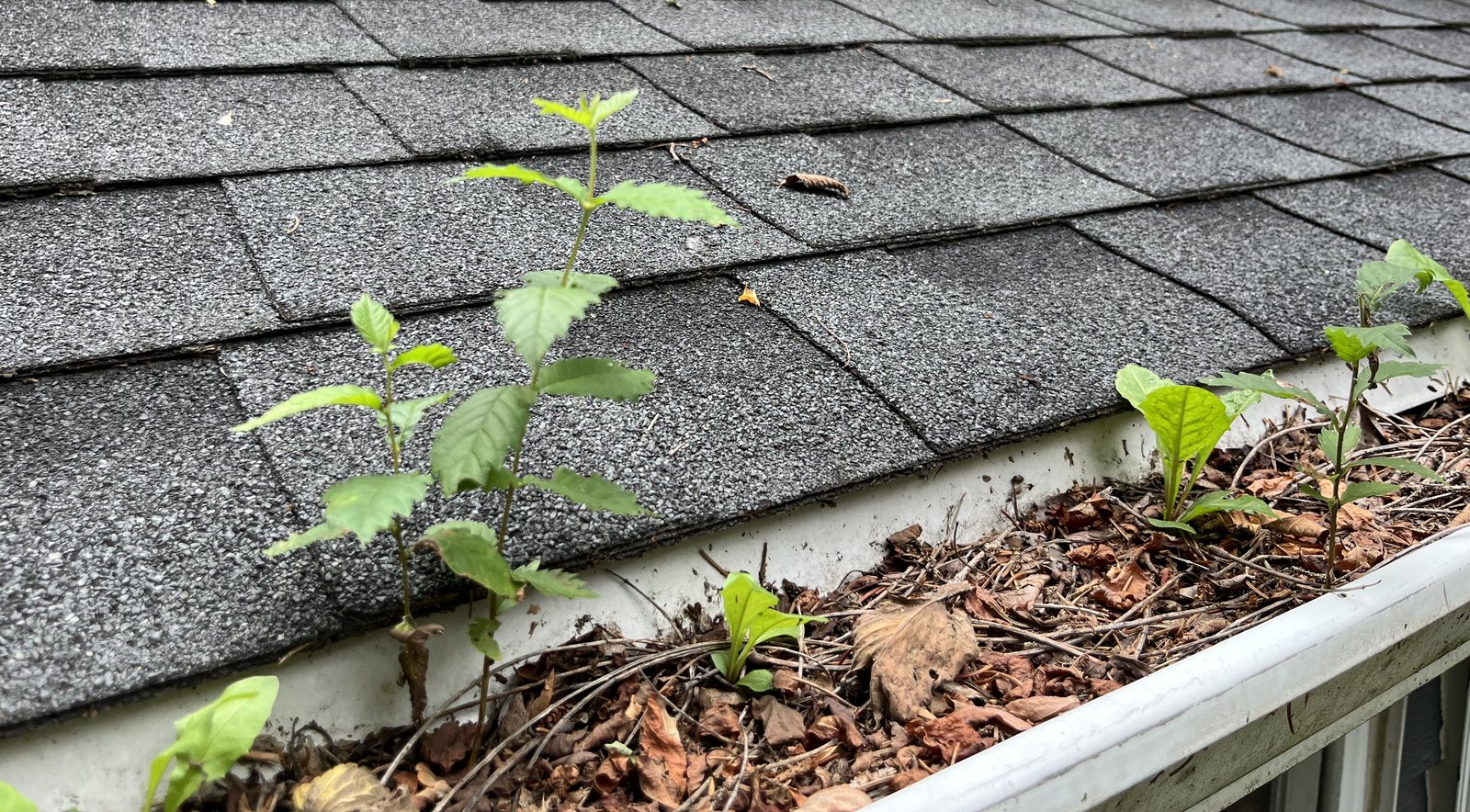
Rot behind a gutter is almost always discovered while replacing one. Handling it during the roof job costs a fraction of what it costs as a separate trip next spring, once the fascia has gone and the soffit with it.
Signs the edge is failing
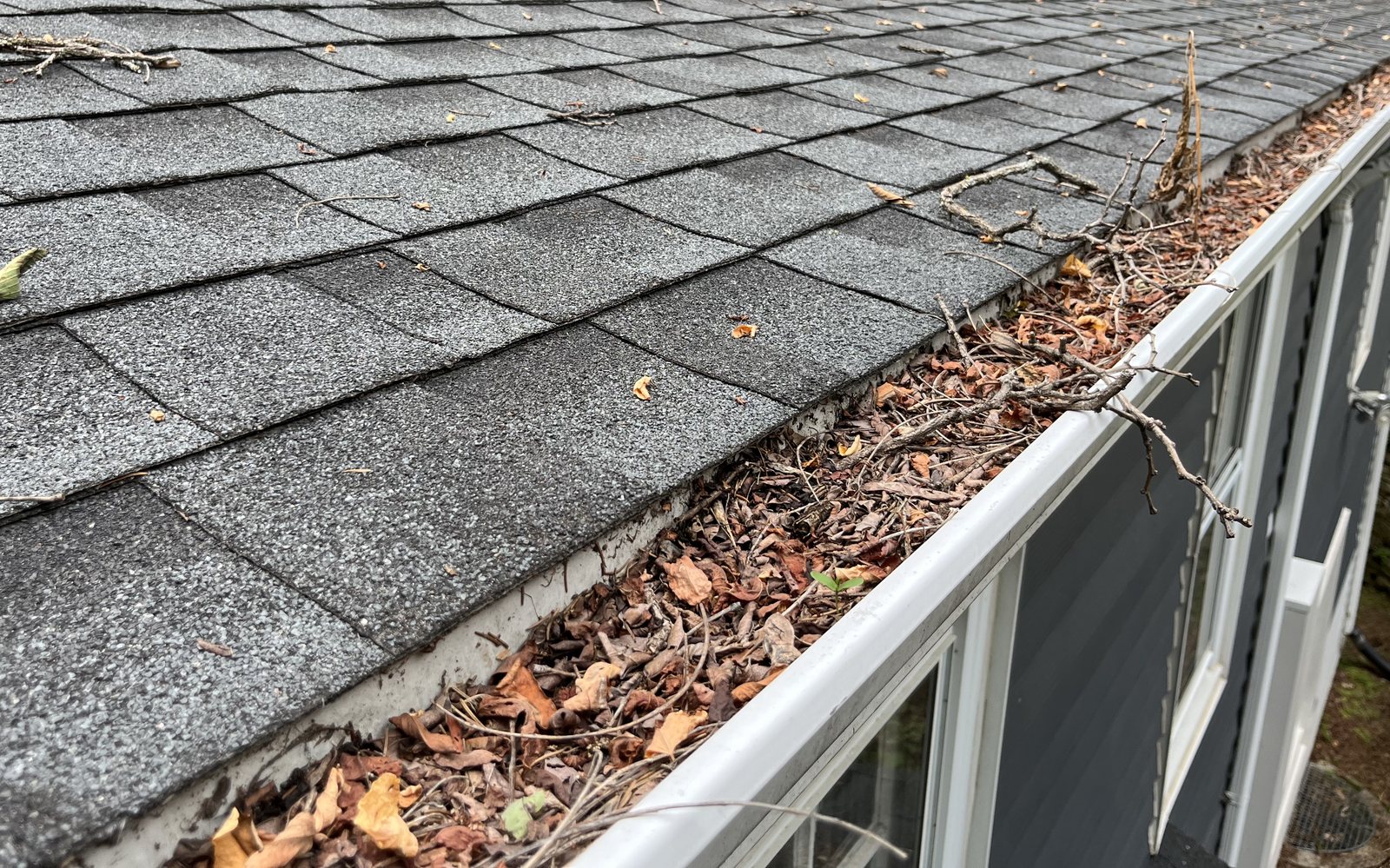
- Water sheeting behind the gutter during rain rather than into it, which usually means missing or wrongly ordered drip edge.
- Gutters pulling away from the house, which is a fascia problem, not a gutter problem.
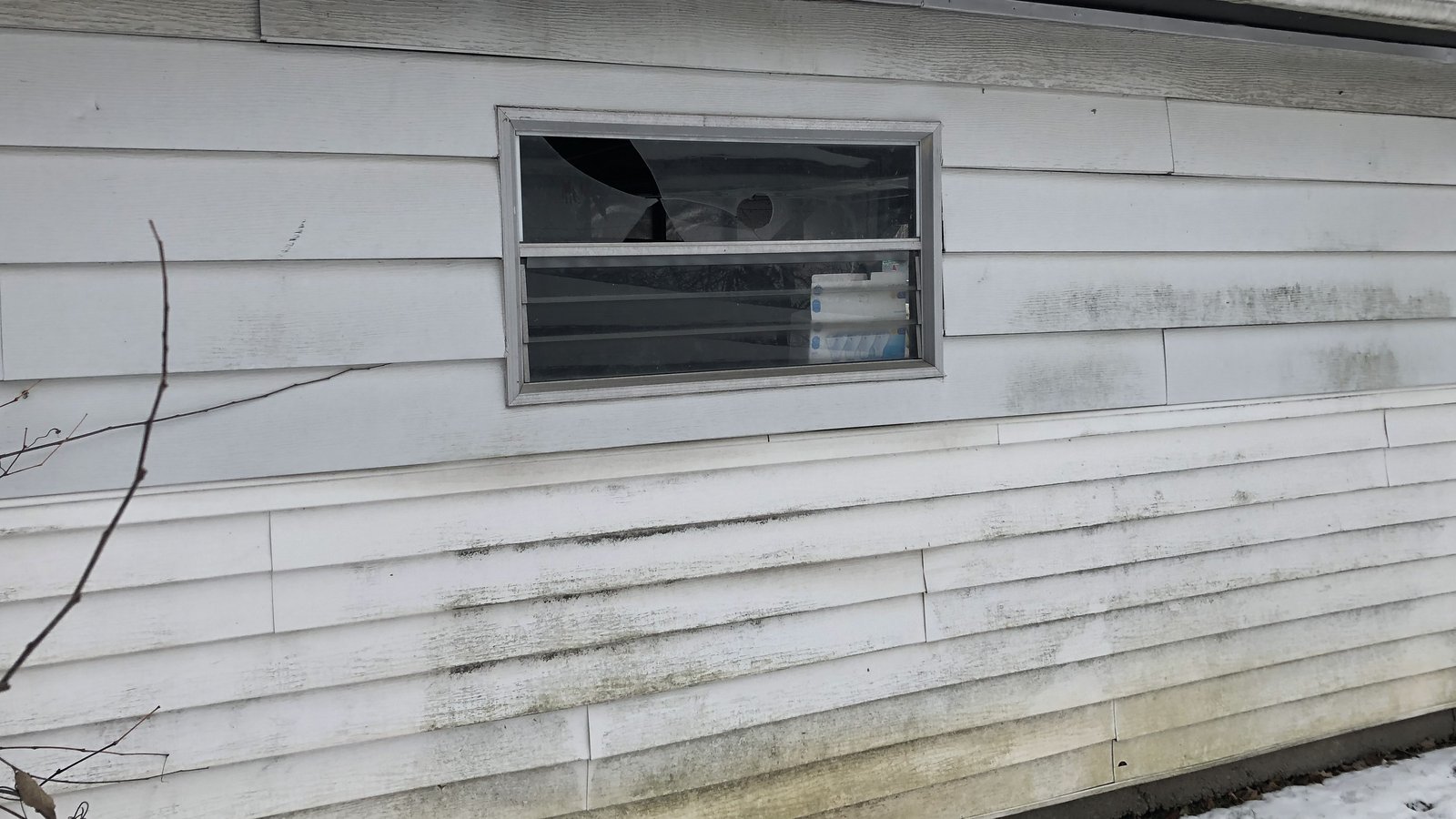
- Staining or streaking on the fascia board, or paint lifting from underneath.
- Soffit panels sagging, or visible daylight where the soffit meets the wall.
- Ice building on the gutter edge in winter, which points at attic heat loss more than at the gutter itself.
What we install
Five inch K style seamless aluminum as standard, six inch where the roof area or pitch calls for it, hung on hidden hangers screwed into sound fascia rather than nailed through the front lip. Downspouts sized to the roof area and discharged far enough from the foundation to matter.
Where the fascia is soft it gets replaced before anything hangs on it. Where the soffit is blocked with old insulation, we clear it, because that soffit is feeding the ventilation for your whole roof.
Common questions
Do I need gutter guards?
They help under heavy tree cover and they are not a substitute for cleaning. Nothing on the market is genuinely maintenance free. What they mainly buy you is fewer ladder trips.
5 inch or 6 inch gutter?
Five inch handles most Milwaukee homes. Six inch is worth it on large roof areas, steep pitches that dump water fast, or where a single downspout has to serve a long run.
Can gutters be replaced without touching the roof?
Yes, and often should be. But if the roof is being replaced within a couple of years, doing both together saves a second mobilization and lets the drip edge and gutter be detailed as one system.
Ready for a straight answer on your roof?
Free inspection, a written scope, and a fixed price before work starts. We will tell you honestly if it can wait another season.