Know your roof
Seven roof coverings, then every major manufacturer line by line — what each product is actually rated for, and which ones make sense on your house. Written for homeowners — the numbers here come from manufacturer technical sheets, not from a brochure.
Showing Phoenix & the Valley. Tile leads here, asphalt is secondary, and heat and UV set the service life. Switch markets with the region control in the header if you are asking about a Wisconsin property.
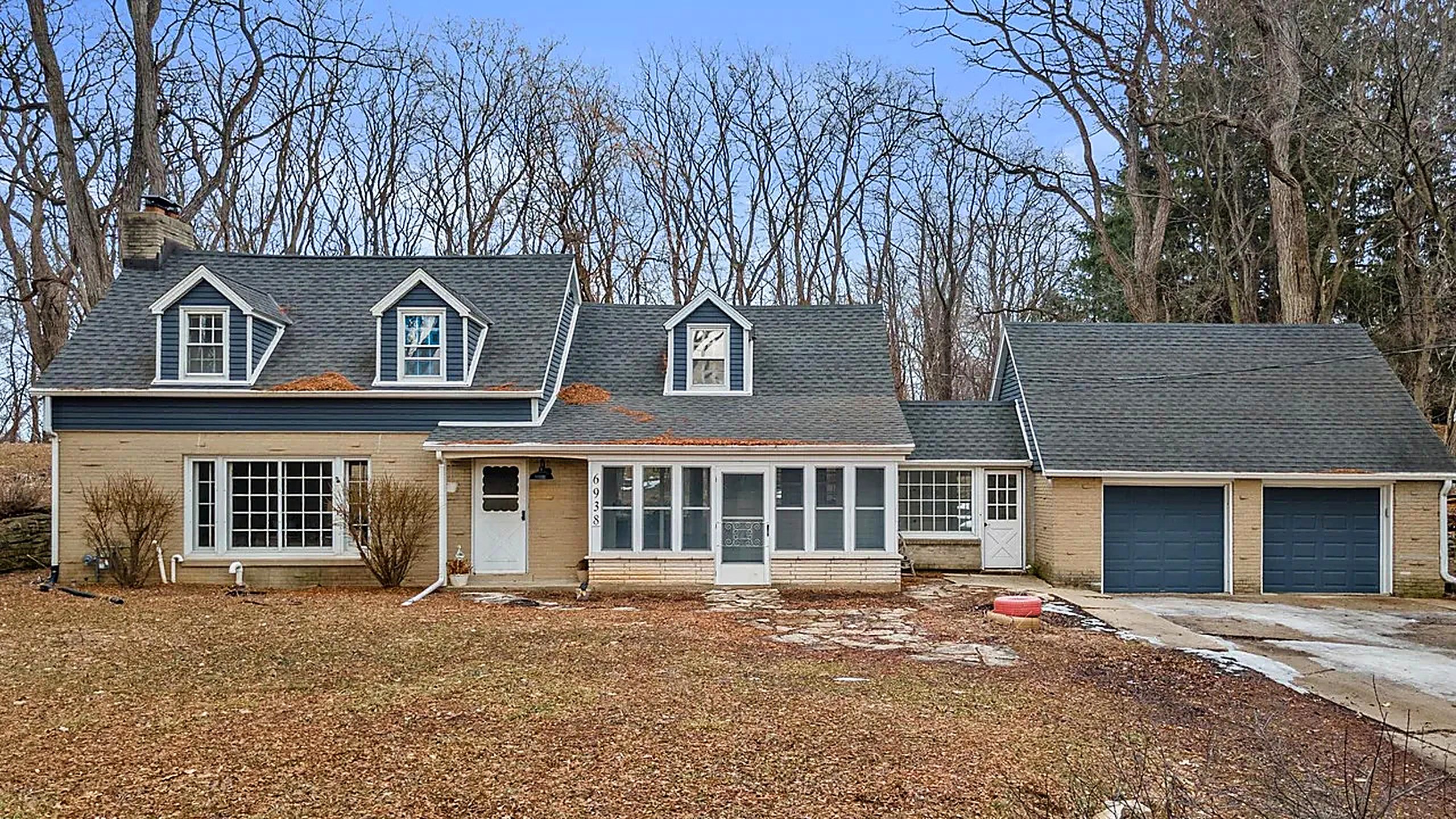
Showing Milwaukee & Southeast Wisconsin. Asphalt leads here, tile is rare, and freeze-thaw and hail set the service life. Switch markets with the region control in the header if you are asking about a Valley property.
The four numbers that actually matter
Every covering below is described with the same four measures. Learn what they mean once and you can compare any two bids in the country.
| Measure | What it tells you |
|---|---|
| Fire rating | Class A, B or C under ASTM E108 / UL 790. Class A is the highest. It describes the whole assembly — covering plus what is under it — not the shingle on its own. |
| Wind rating | Two different things wear this name. The lab classification (ASTM D3161 Class F, ASTM D7158 Class H) is near-universal on asphalt shingles. The number that matters is the warranted wind speed, which varies by product and by how it was installed. |
| Impact rating | UL 2218 Class 1 to 4, measured by dropping steel balls. Class 4 is the highest and is the one insurers discount for. |
| Warranty | Read the conditions, not the headline. Most "lifetime" coverage is prorated after an early non-prorated window, and the best wind terms require specific accessories from the same manufacturer. |
The thing nobody tells you about warranties. The strongest terms are almost always system warranties. GAF's WindProven, for example, is the industry's first wind warranty with no maximum wind speed — but only on shingles with LayerLock technology installed with four qualifying GAF accessories: starter strips, roof deck protection, ridge cap, and either a leak barrier or attic ventilation. Miss one accessory and you fall back to the standard terms. When you compare two bids, you are comparing systems, not shingles.
Three-tab asphalt shingle
The flat, single-layer shingle with cut-out tabs. It was the default for decades and is now mostly builder-grade and rental stock. Manufacturers have been retiring these lines.
| Typical service life | 15–20 years15–20 years, and less in Phoenix heat |
|---|---|
| Warranted wind | Commonly 60–70 mph |
| Fire | Class A |
| Impact | Class 1–2. Not an insurance-discount product. |
| Warranty | Typically 25-year limited, prorated early |
Phoenix note: avoid on a primary residence. UV takes the oils out of a single-layer shingle faster than anything else, and a 3-tab roof here can be granule-bare inside a decade.
Milwaukee note: the wind warranty is the problem before the lifespan is. A 60–70 mph warranted product on an exposed Wisconsin roof is not a bargain.
Our honest take: the price gap to an architectural shingle is small and the performance gap is not. We rarely recommend it except on a detached garage, a shed, or a property being sold immediately.
Architectural (laminated) asphalt shingle
Two layers bonded together for a dimensional, shadowed look. This is the volume product in both our markets and the right answer for most homes. The three that matter are GAF Timberline HDZ, Owens Corning TruDefinition Duration, and CertainTeed Landmark.
| Typical service life | 25–30 years in Southeast Wisconsin20–25 years in the Valley |
|---|---|
| Warranted wind | GAF HDZ: 130 mph with special installation, 110 without — or no maximum wind speed under WindProven with four qualifying accessories. OC Duration: 130 mph with only four nails, via the SureNail fabric strip. CertainTeed Landmark: 110 mph for 15 years standard, 130 mph with specified starter and hip & ridge. |
| Fire | Class A |
| Impact | Usually Class 3. Landmark lists UL 2218 Class 3. |
| Algae | GAF StainGuard Plus 25 years; CertainTeed StreakFighter 25 years (30 on Landmark Pro); OC StreakGuard 10 years |
| Warranty | Lifetime limited to the original owner, with a 10-year non-prorated period covering materials and labour when installed by a certified contractor |
Our honest take: the differences between these three are smaller than the marketing suggests. SureNail and LayerLock are both genuine engineering, not dressing — they widen the nailing target, which matters because misplaced nails are the most common cause of blow-offs. Pick on the installer's familiarity with the product before the badge on the wrapper.
What we install in Southeast Wisconsin: this is the default roof on most Milwaukee-area homes. Pair it with ice barrier well past the code minimum at the eaves and correct the intake ventilation while the roof is open — ice damming is an attic problem wearing a roofing costume.
What we install in the Valley: architectural asphalt is the right answer on Phoenix tract housing built with shingle, but expect a shorter life than the same shingle gives in a cooler climate, and insist on high-temperature synthetic underlayment rather than felt.
Impact-resistant (Class 4) asphalt shingle
Polymer- or SBS-modified asphalt that flexes instead of cracking when hail hits. The rubberised core is the difference, not a thicker granule layer. Malarkey's NEX line (Vista, Legacy, Highlander), Owens Corning Duration FLEX, CertainTeed Landmark IR and GAF's Timberline AS II are the common choices.
| Typical service life | 25–30 years |
|---|---|
| Warranted wind | Malarkey: 110 mph standard, 130 mph enhanced when combined with other Malarkey products. OC Duration STORM offers a 150 mph option. |
| Fire | Class A |
| Impact | UL 2218 Class 4 — the highest available |
| Warranty | Lifetime limited. Malarkey's Vista, Legacy and Windsor lines also meet the IBHS FORTIFIED roof requirements. |
Why this matters in Wisconsin: hail across Waukesha and the western suburbs is the reason to consider it. Many carriers discount premiums for a Class 4 roof — commonly cited in the 10–35% range, though it varies by carrier and is never guaranteed. Ask your insurer before you pay for the upgrade, not after.
Why this matters in the Valley: less about hail and more about cold-flex and granule retention under UV. Malarkey publishes up to 65% greater granule adhesion than the ASTM D3462 standard, and granule loss is precisely how a Phoenix asphalt roof dies.
One caveat with teeth: CertainTeed's Landmark IR only earns its Class 4 rating when installed on a new roof or a full tear-off — not laid over existing shingles. A roof-over voids the rating you paid for.
Where this earns its keep in Wisconsin: Waukesha and the western suburbs. If your carrier discounts a Class 4 roof the upgrade often pays for itself over the life of the roof — but confirm with them first, and ask whether your policy carries a cosmetic-damage exclusion, which can quietly undo the benefit.
Where this earns its keep in the Valley: not for hail. Buy it for granule retention and flexibility under UV and thermal cycling, which is how Phoenix asphalt actually fails. Treat any insurance discount as a bonus, not the reason.
Designer / luxury laminated shingle
Heavier multi-layer asphalt built to imitate slate or hand-split shake. GAF Grand Sequoia and Camelot, CertainTeed Grand Manor and Presidential, OC Berkshire and Woodmoor.
| Typical service life | 30–40 years |
|---|---|
| Warranted wind | Generally 110–130 mph depending on line and installation |
| Fire | Class A |
| Impact | Class 3 typically; some lines offer Class 4 |
| Warranty | Lifetime limited, often with a longer workmanship period through certified contractors |
Our honest take: you are buying appearance and mass. On a steep, highly visible roof it is worth it. On a low-slope ranch nobody can see from the street, the money is better spent on ventilation and flashing.
Southeast Wisconsin: designer laminates do well here. The weight helps in wind and the deep shadow lines suit the older Milwaukee housing stock with steep, visible roof planes. Worth it on a Tudor or a Colonial; wasted on a low ranch.
Phoenix & the Valley: we rarely specify these. On a tract home with a low-pitch roof nobody sees, a designer asphalt shingle buys appearance you cannot appreciate from the ground and still ages on the Valley's timetable. If you want presence on a Phoenix roof, tile is the better spend.
Concrete tile
The most common roof in the Valley. Cement, sand and water, cast and cured. Eagle Roofing Products manufactures in Phoenix and is the volume supplier here.
Uncommon in Southeast Wisconsin. Cement, sand and water, cast and cured, and heavy enough that most Milwaukee-area framing was never designed to carry it.
| Typical service life | 50+ years — often the life of the structure |
|---|---|
| Warranted wind | Eagle tile is tested and approved for the Miami-Dade high-velocity hurricane zone, withstanding sustained winds up to 180 mph when installed correctly |
| Fire | Class A |
| Impact | Tiles from Eagle's Phoenix facility carry a Class 3 hail rating for Capistrano, Malibu and flat profiles; the Sumterville plant produces Class 4 flat and Malibu tile. Eagle states its tile resists hail up to 2 inches under FM 4473. |
| Warranty | Lifetime Transferable Limited Product Warranty, with a 25-year labour warranty should the tile fail. The warranty must be registered. |
| Weight | Heavy. Usually requires full tear-off and a deck inspection rather than a roof-over. Minimum 3:12 pitch. |
The single most important thing to understand about a tile roof. The tile is not what wears out. The underlayment beneath it is the waterproofing, and it has a far shorter life than the tile — traditional 30 lb felt around 25–30 years, modern high-temperature synthetic around 30–40. Most tile work in Phoenix is not new tile. It is lifting sound tile, replacing the underlayment underneath, and re-laying the same tile. If your tile looks fine and your house is 25 years old, that is exactly when to have it looked at.
This is the Valley's roof. Most of our Phoenix work is not new tile — it is lifting sound tile, replacing the underlayment beneath, and re-laying the same tile. If a contractor quotes a full tile replacement without first telling you whether your existing tile can be re-used, get a second opinion.
Rare in Wisconsin, and usually for a reason. Concrete tile is heavy, most Milwaukee-area framing was never designed for it, and freeze-thaw is unforgiving of a tile not specified for it. Eagle does publish freeze-thaw passing results on its standard-weight color-through tile, but a structural review comes first, not last.
Clay tile
Fired clay, the oldest covering still in common use. It defines Spanish and Mediterranean architecture across the Valley.It is rare on Wisconsin housing stock, and usually inherited rather than chosen.
| Typical service life | Routinely outlasts the building. Century-old clay roofs remain in service in Europe. |
|---|---|
| Warranted wind | Product-dependent; clay assemblies are commonly rated to very high wind speeds when correctly fastened |
| Fire | Class A, and genuinely non-combustible — a real distinction in a wildfire-interface area |
| Impact | Varies by product; verify the specific profile |
| Warranty | Boral clay is warranted to the original purchaser and transferable to a new owner for a term of 50 years |
| Watch for | Brittleness. Clay breaks under foot traffic — never let an untrained crew walk it. Same underlayment reality as concrete tile. |
Valley context: clay defines the Spanish and Mediterranean streets across Scottsdale, Paradise Valley and older Phoenix. It is genuinely non-combustible, a real advantage on the desert edge where ember exposure is the risk. The underlayment underneath still governs when you re-roof.
Wisconsin context: uncommon, and color-bonded or slurry tiles specifically are not recommended where repeated freeze-thaw cycles occur. If you have inherited a clay roof here, treat it as specialist repair work rather than a re-roof.
Synthetic composite (slate and shake)
Moulded polymer tiles imitating slate or cedar shake at roughly a third of natural slate's weight. DaVinci Roofscapes, Brava, F-Wave and Inspire are the recognised brands.
| Typical service life | 40–50+ years |
|---|---|
| Warranted wind | DaVinci is rated for 110 mph straight-line winds and has passed Miami-Dade high-velocity hurricane requirements. Brava publishes higher figures with ring-shank nail or high-wind screw patterns. |
| Fire | Class A — DaVinci with specified underlayments. Brava offers Class A and Class C products, so verify the exact line. |
| Impact | UL 2218 Class 4 |
| Warranty | Lifetime limited material warranty (DaVinci); 50-year limited (Brava), transferable |
| Weight | Roughly 230–300 lbs per square — light enough that most existing decks need no reinforcement |
An honest caveat on fire: no polymer tile is non-combustible the way clay or natural slate is. The Class A rating describes a tested assembly, not the tile alone. In a wildfire-interface area, ask for the specific tested assembly rather than accepting "Class A" as a blanket answer. Color fade is also real on composites — the structural warranty runs decades, the appearance warranty usually does not.
Wisconsin fit: a strong answer where a cedar shake roof has failed and the homeowner wants the look back without the maintenance, the fire risk or the weight. Class 4 as standard is a bonus in the hail corridor.
Valley fit: useful on the desert edge as a lighter alternative to tile, but check the tested assembly for fire rather than accepting "Class A" — and expect UV here to test the color warranty harder than almost anywhere in the country.
Line by line, brand by brand
The seven categories above tell you what kind of roof to buy. This section tells you what the actual products are called, where each one sits in its maker's range, and which ones carry the ratings people assume they do. Where two published sources disagree, we say so rather than picking the flattering one.
GAF
The largest manufacturer in North America. Their warranty structure is the most generous in the industry and also the most conditional — it is built to reward whole-system installation.
| Line | Tier | What you are getting |
|---|---|---|
| Royal Sovereign | 3-tab | Entry strip shingle, 60 mph wind warranty |
| Marquis WeatherMax | 3-tab | Heavier strip shingle, 80 mph wind warranty |
| Timberline NS | Architectural | Budget architectural — the GAF name at a lower price point |
| Timberline American Harvest | Architectural | HDZ construction with warmer, earth-toned blends |
| Timberline HDZ | Architectural | The flagship and the best-selling shingle in North America. LayerLock mechanically fuses the layers, which powers the StrikeZone nailing area. 25-year StainGuard Plus algae coverage. |
| Timberline UHDZ | Architectural+ | Thicker HDZ with a patent-pending Dual Shadow Line. 10% more time-release algae-fighting technology, unlocking 30-year StainGuard Plus PRO. 40 years of workmanship coverage. |
| Timberline AS II | Impact | SBS-modified, UL 2218 Class 4. Also carries 40 years of workmanship coverage. |
| Grand Sequoia / Grand Sequoia AS | Designer | Oversized tabs, rugged shake look. The AS version adds Class 4. |
| Camelot II | Designer | Slate-like with a wide 7½ inch exposure |
| Woodland | Designer | Hand-cut European shake look, limited colors |
| Slateline | Designer | Tapered cut-outs and bold shadow lines imitating slate |
The warranty detail that decides everything: WindProven is a 15-year limited wind warranty with no maximum wind speed, but it covers LayerLock-labelled shingles only and requires GAF starter strips, roof deck protection, ridge cap shingles, and either a leak barrier or attic ventilation. Fall outside that and coverage reverts to 130 mph with special installation, or 110 mph without — where special installation means six nails per shingle plus GAF starter at eaves and rakes.
In Southeast Wisconsin we specify HDZ as the default and step to AS II where hail history justifies it. WindProven matters more here than the brochure suggests — straight-line winds off the lake and summer derechos are exactly the events a no-maximum-speed warranty is written for.
In the Valley HDZ is the sensible shingle choice on asphalt homes. UHDZ's extra algae coverage is close to irrelevant here — blue-green algae is a humidity problem, not a desert one — so pay for UHDZ for the look and the thickness, not the 30-year StainGuard PRO.
Owens Corning
Second nationally, strongest in the Midwest. Their differentiator is SureNail: a woven fabric strip embedded in the nailing zone, which is genuine engineering rather than marketing dressing.
| Line | Tier | What you are getting |
|---|---|---|
| Supreme | 3-tab | Entry strip shingle, being phased down |
| Oakridge | Architectural | Entry architectural. 110 mph standard, 130 mph with specific installation requirements. Full double layer in the nailing zone, but no SureNail strip. |
| TruDefinition Duration | Architectural | The flagship. Engineered to deliver 130 mph wind warranty performance with only four nails, thanks to SureNail. Around 21 regional colors. |
| Duration Designer | Architectural | Duration construction with bolder, higher-contrast blends |
| Duration MAX / Premium | Architectural+ | Heavier, more dimensional regional products |
| Duration FLEX | Impact | SBS polymer-modified, UL 2218 Class 4, stays flexible in cold |
| Duration STORM | Impact | Class 4 with WeatherGuard technology; a 150 mph wind option exists on this line |
| Duration COOL / COOL Plus | Reflective | Solar-reflective granules to cut heat absorption |
| Berkshire | Designer | Slate look with oversized tabs, 110/130 mph |
| Woodcrest / Woodmoor | Designer | Thick shake-look shingles, 110/130 mph |
| Devonshire | Designer | Clipped-tab slate imitation, 130 mph |
Two things worth knowing. StreakGuard algae coverage is 10 years, behind CertainTeed and GAF — a real gap in humid Wisconsin summers.StreakGuard algae coverage is 10 years, behind CertainTeed and GAF — less consequential in a desert climate, where algae is rarely the failure. And availability is not uniform: Owens Corning describes standard Duration and Duration Designer as nationally available, while FLEX, STORM, COOL and MAX are regional. Ask before you fall in love with a product your market cannot get.
In Southeast Wisconsin Duration is a strong default and Duration FLEX is the cold-climate pick — SBS modification keeps it flexible when a standard shingle goes brittle in February. Note the 10-year StreakGuard limit: our humid summers are where algae coverage actually gets used, and CertainTeed and GAF both cover it longer.
In the Valley Duration COOL and COOL Plus are the lines worth asking about — solar-reflective granules do measurable work on a Phoenix attic. Confirm availability early, because the reflective and impact lines are regional rather than national.
CertainTeed
The heavyweight, literally — their shingles carry more asphalt than most, with lines commonly running 250 to 480 lbs per square against 160 to 280 for other brands. More weight generally means better durability and impact behavior.
| Line | Tier | What you are getting |
|---|---|---|
| XT 25 | 3-tab | Entry strip shingle, nearly 30 colors |
| XT 30 IR | 3-tab impact | One of the few impact-rated 3-tab shingles made |
| Landmark | Architectural | The core product. Two laminated layers on a fibreglass mat, 13¼ × 38¾ inches, 5⅝ inch exposure, 3 bundles and 65 shingles per square. NailTrak wide nailing area. UL 2218 Class 3. |
| Landmark PRO | Architectural+ | Heavier, richer Max Def colors, 30-year StreakFighter. Still Class 3 — do not mistake it for a Class 4 shingle. |
| Landmark Premium / Landmark TL | Architectural++ | Heavier still; TL is triple-laminate. Both currently listed Class 4. |
| Landmark IR / ClimateFlex | Impact | Class 4. Only earns the rating on a new roof or full tear-off, never a roof-over. |
| NorthGate ClimateFlex | Impact | Polymer-modified, Class 4, engineered for 130 mph, ENERGY STAR cool-roof option |
| Highland Slate | Designer | Single-layer slate imitation, Class 3 |
| Belmont / Grand Manor / Carriage House | Luxury | Multi-layer slate looks. All currently listed Class 4. |
| Presidential Shake / Shake IR / TL | Luxury | Shake profile. Standard is Class 3; the IR version is Class 4. |
The Class 3 versus Class 4 trap. Standard Landmark, Landmark PRO, Highland Slate and Presidential Shake are Class 3. The Class 4 products are Landmark ClimateFlex, NorthGate ClimateFlex, Landmark Premium, Landmark TL, Grand Manor, Carriage House, Belmont and Presidential Shake IR. Homeowners routinely pay a premium for Landmark PRO believing it buys hail coverage. It does not.
In Southeast Wisconsin NorthGate ClimateFlex is the CertainTeed product that makes sense in the hail corridor — polymer-modified, Class 4, engineered for 130 mph. Their extra shingle weight is an advantage in a freeze-thaw climate.
In the Valley the Class 3 versus Class 4 distinction matters less than the algae warranty does in Wisconsin, but weight is a real consideration: heavier shingles hold granules better under UV. Landmark PRO is a reasonable Phoenix choice for that reason alone, provided nobody sells it to you as hail protection.
Warranty: lifetime limited transferable, 10-year SureStart covering 100% of shingle replacement and labour in the early years, 25-year StreakFighter algae (30 on PRO), and a 15-year 110 mph wind warranty upgradeable to 130 mph with specified starter and hip & ridge accessories.
Malarkey
Smaller, and the specialist choice for impact resistance. Every shingle in the NEX line is Class 4 as standard rather than as an upgrade, because the polymer modification is the product rather than an option within it.
| Line | Tier | What you are getting |
|---|---|---|
| Vista / Vista AR | Architectural, Class 4 | Entry NEX tier. Class 4, Class A fire, 110 mph standard and up to 130 mph enhanced when combined with other Malarkey products. |
| Legacy | Architectural+, Class 4 | Higher profile, deeper shadow. Limited lifetime, 110 mph limited wind, 130 mph enhanced. |
| Highlander NEX | Premium, Class 4 | Best granule retention and color depth in the line |
| Windsor | Luxury, Class 4 | Heaviest profile |
What NEX actually is: high-grade asphalt combined with synthetic SBS rubber polymers plus upcycled rubber and plastic polymers, which rubberises the asphalt core. The measurable results Malarkey publishes are up to 25% greater tear strength and up to 65% greater granule adhesion than the ASTM D3462 industry standard, with up to twice the nailing area via The Zone. Vista, Legacy and Windsor also meet the IBHS FORTIFIED roof requirements, and the granules are 3M smog-reducing.
In Southeast Wisconsin Malarkey is the strongest argument in the impact category. NEX is engineered for cold-flex performance, which is precisely the behavior a Wisconsin roof needs in a January hailstorm, and Class 4 comes standard rather than as an upsell.
In the Valley the published granule adhesion figures are the reason to look at Malarkey rather than the hail rating. Granule loss under UV is how Phoenix asphalt dies, and granule retention is exactly what NEX is built to improve.
Eagle Roofing Products — concrete tile
Manufactured in Phoenix, which matters: ratings differ by plant. The largest family-owned concrete tile maker in the country, with over 140 colors.
| Profile | Character |
|---|---|
| Capistrano | Classic "S" barrel profile — the Spanish look |
| Malibu / Malibu Sub 800 | "W" profile, high barrel |
| Bel Air | Flat with a subtle texture, 12⅜ × 17 inches |
| Ponderosa / Double Eagle Ponderosa | Flat with a striated shake texture |
| Estate, Golden Eagle, Sequoia | Flat and dimensional variants |
| Tapered Artisan, Textured & Tapered Slate | Slate imitations |
Specification points that matter here: Eagle mixes 3:1 rather than the 4:1 industry standard, meaning more cement per tile. Tiles come in standard weight and lightweight, and availability varies by region — the two are the same size, so on a repair, swapping lightweight for standard weight is a structural question worth asking an engineer about. Warranty is a Lifetime Transferable Limited Product Warranty with a 25-year labour warranty should the tile fail, and it must be registered.
An honest conflict in the published sources: Eagle states elsewhere that its Phoenix facility produces Class 3 impact tile across Capistrano, Malibu and flat profiles, while another Eagle-sourced page lists Phoenix flat tile at Class 4 under FM 4473 with Malibu and Capistrano at Class 3. If a Class 4 rating is the reason you are buying, get the current rating in writing for the exact profile and plant — do not rely on this page or on a salesperson's memory.
This is a Phoenix-manufactured product and the plant you are buying from is the one in your market, which is why the plant-level rating question above matters to you specifically rather than as a technicality.
Not a Wisconsin product in practice. We list it because the category matters and because Eagle publishes freeze-thaw results — but concrete tile on a Milwaukee-area home is a structural conversation before it is a roofing one.
Westlake Royal — Boral clay and US Tile
The clay side of the Valley market. Warranted to the original purchaser and transferable to a new owner for 50 years.
| Product | Character |
|---|---|
| 1-Piece "S" Tile | Covers and pans joined into a single piece — the classic barrel look at lower installed cost |
| Barrel-Vault / 2-piece | True two-piece mission barrel, the most authentic Spanish Colonial profile |
| US Tile clay | Class A fire; select colors meet Cool Roof Rating Council standards; a color-fade limited warranty |
Boral concrete tile, sold alongside, is Class A with hail resistance and rated to withstand winds up to 150 mph.
Valley relevance: high. This is the clay you will actually be quoted on a Scottsdale or Paradise Valley re-roof, and the 50-year transferable term is a genuine selling point at resale.
Wisconsin relevance: low. Included for completeness; if you are looking at clay in Milwaukee you are almost certainly repairing an existing roof rather than choosing a new one.
DaVinci Roofscapes and Brava — synthetic composite
| DaVinci | Brava | |
|---|---|---|
| Lines | Bellaforté Shake and Slate, Multi-Width Slate, Single-Width Shake, Valoré | Old World Slate, Cedar Shake, Spanish Barrel Tile |
| Material | Pure virgin resins with UV and thermal stabilisers, through-colored | Roughly 80% recycled polymer, injection moulded |
| Fire | Class A with specified underlayments | Class A on some lines, Class C on others — verify the line |
| Impact | UL 2218 Class 4 | UL 2218 Class 4 |
| Wind | 110 mph straight-line; passed Miami-Dade high-velocity hurricane requirements and Texas Department of Insurance requirements | Published up to 188 mph with nails and 211 mph with high-wind screws; Spanish Barrel noted for 110+ mph Miami-Dade zones |
| Warranty | Lifetime limited material warranty, two transfers | 50-year limited, transferable |
| Weight | Roughly 230–300 lbs per square — about a third of natural slate, so most existing decks need no reinforcement | |
Two caveats. Every composite brand makes a profile-matched starter and ridge system, and it is the only approved match — generic starter or cut 3-tab ridge caps will void the warranty. And the structural warranty runs decades while the appearance warranty does not: significant color fade is commonly covered for only the first ten years, and visible fading tends to begin around year fifteen.
In Southeast Wisconsin composite is the practical successor to a failed cedar shake roof, and the freeze-thaw behavior is far better than the wood it replaces.
In the Valley composite is worth considering where tile weight is a problem or on the desert edge, but Phoenix UV is the harshest test of a polymer tile's color anywhere we work. Ask specifically what the fade warranty covers and for how long.
What we would put on our own house
Southeast Wisconsin. Architectural asphalt for most homes, stepping up to Class 4 impact-resistant if you are in the hail corridor or your carrier offers a discount worth having. Spend the difference on ice barrier past the code minimum, corrected intake ventilation, and full flashing replacement — those decide whether the roof leaks, far more than the brand on the shingle.
Phoenix and the Valley. If you have tile, keep the tile and replace the underlayment on schedule — it is the cheaper and better answer almost every time. If you have asphalt, architectural with a high-temperature synthetic underlayment, and expect a shorter life than the same shingle would give in a cooler climate. On the desert edge, the fire rating of the whole assembly is worth more attention than the covering alone.
What we will not do is tell you a premium covering fixes a ventilation problem, or that a brand upgrade matters more than the flashing detail at a wall. It does not.
Related reading
See the materials we install, published prices, how we estimate, and storm damage. Service areas across both markets.
Specifications drawn from manufacturer published documentation: GAF (Timberline HDZ, WindProven and residential warranty pages), Owens Corning (TruDefinition Duration product literature), CertainTeed (Landmark and Landmark IR product data sheets), Malarkey Roofing Products (Vista and Legacy technical data), Eagle Roofing Products (warranty, testing and FAQ pages), Boral / Westlake Royal (clay tile warranty), and DaVinci Roofscapes and Brava (composite product literature). Ratings and warranty terms change and vary by region, plant and installation method — always confirm the current published terms for the specific product quoted to you. Insurance premium discounts for Class 4 roofing vary by carrier and are never guaranteed. This page is general information about roofing materials and is not insurance advice.